The Lifeblood of Global Trade

Every international transaction involves the exchange of currencies. From a tourist buying a coffee in Paris to a corporation purchasing raw materials from a mine in Australia, the Forex (FX) market facilitates the flow of wealth across borders. Unlike stock markets, the FX market is decentralized and operates 24 hours a day, five days a week.
USD: The World's Reserve Currency

The US Dollar remains the dominant currency in global finance. It is used as a primary reserve currency by central banks and is the standard currency for most international commodities, including oil and gold.
- Safe Haven Status: Investors flock to the Dollar during times of geopolitical or economic uncertainty.
- Global Demand: Most international debts are denominated in USD, creating constant global demand.
- Interest Rate Impact: Decisions by the US Federal Reserve influence exchange rates and borrowing costs worldwide.
The Major Powers: EUR, JPY, & GBP
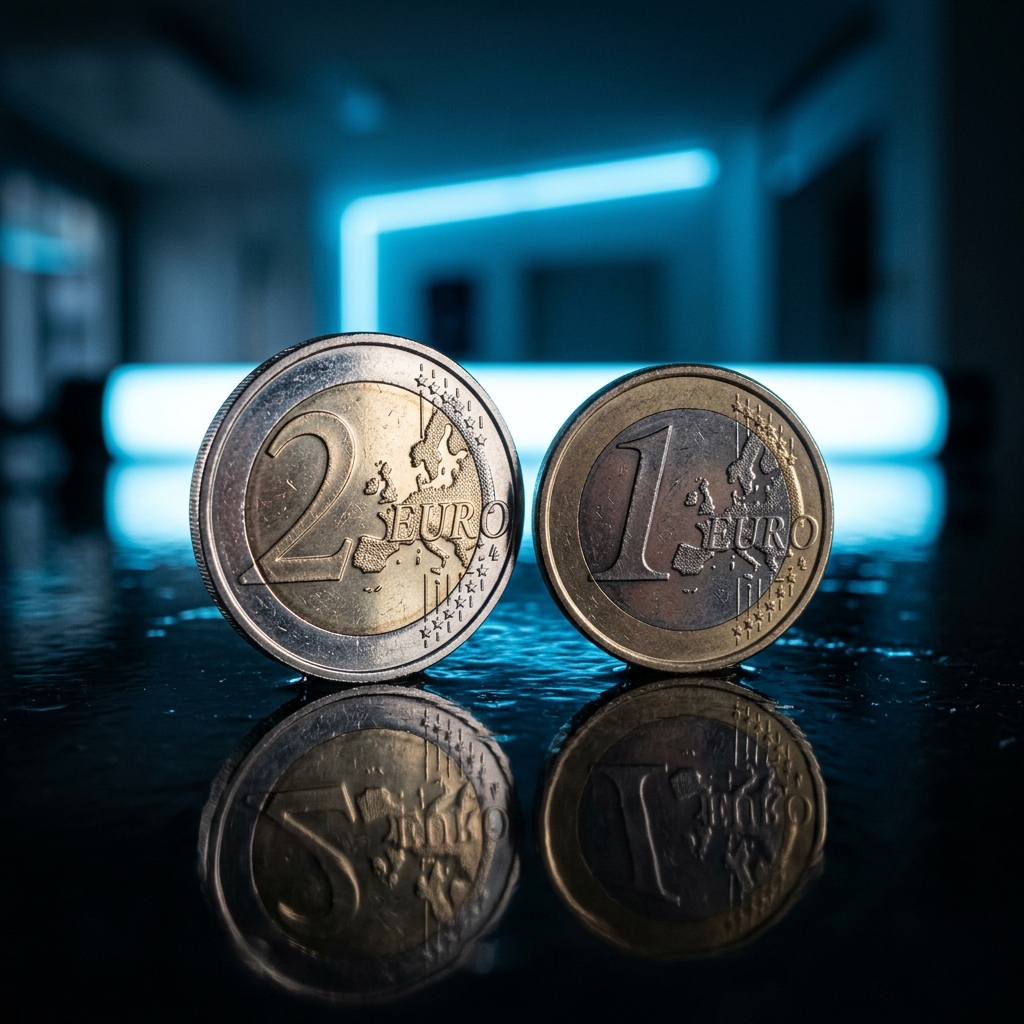
While the Dollar is king, other "Major" currencies represent significant economic zones. These currencies are highly liquid and carry the most weight in international trade after the USD.
- The Euro (EUR): The second most traded currency, representing the unified economy of the Eurozone.
- The Japanese Yen (JPY): Known as a "carry trade" currency due to its historically low interest rates.
- The British Pound (GBP): One of the oldest currencies, still holding significant weight in global banking.
Why Currency Knowledge is Vital
For any investor, understanding currency dynamics is essential. Changes in exchange rates can wipe out gains from international stocks or significantly increase the cost of imports. By diversifying into different currency exposures, you can hedge against the domestic inflation of your home country.
Future updates to FinCalc Pro will include Live Exchange Rate APIs and Historical Trend Analysis, allowing you to track your global purchasing power in real-time.